Blog
Ergonomic Seating


Why Ergonomic Seating Is the Highest-ROI Investment in Your Office
If you had to pick one line item in an office fit-out budget that pays for itself fastest, it isn’t the reception desk or the meeting table — it’s the chair. Employees spend more hours in their office seat than almost anywhere else on the premises, and the wrong chair quietly costs a business money through absenteeism, lost focus, and turnover. Here’s why ergonomic seating deserves more attention than it usually gets.
The Real Cost of a Bad Chair
A cheap, non-adjustable chair doesn’t just cause discomfort — it changes behavior. Employees shift positions constantly, take more breaks to stretch, and lose focus faster than they would in a properly supportive seat. Over months, poor seating is linked to lower back pain, neck strain, and reduced concentration, all of which show up indirectly in productivity numbers and sick leave.
Multiply that by a floor of forty or fifty employees, and a “savings” of a few hundred dirhams per chair on cheap seating can cost far more in lost output than it ever saved upfront.
What Actually Makes a Chair Ergonomic
Not every chair marketed as “ergonomic” delivers on the promise. Look for these specific features rather than taking the label at face value:
- Adjustable lumbar support that follows the natural curve of the lower spine, not a fixed pad in one position.
- Seat height and depth adjustment, so the chair fits a 5’2″ employee as well as a 6’2″ one.
- Breathable material. Mesh chairs are especially useful in warmer climates or open-plan floors where airflow matters more than a padded leather look.
- Armrest adjustability, which reduces shoulder tension for anyone typing for long stretches.
- A stable five-point base with smooth-rolling casters suited to your flooring type.
Matching the Chair to the Role
Not every seat in the office needs the same specification, and getting this mix right also controls cost:
- Desk-bound roles (developers, analysts, support teams) get the most benefit from full ergonomic chairs with all the adjustments above.
- Leadership and client-facing spaces often call for leather chairs that combine ergonomic function with a more polished, executive look.
- Reception and waiting areas need visitor chairs — comfortable for short stays, but not necessarily built for eight-hour use.
- Training rooms and shared spaces benefit from multifunctional chairs that stack or fold when the room needs to be reconfigured.
- Break rooms and informal zones can lean into lounge chairs for a more relaxed, recharge-focused seating style.
Seating Is Part of a Bigger Ergonomic Picture
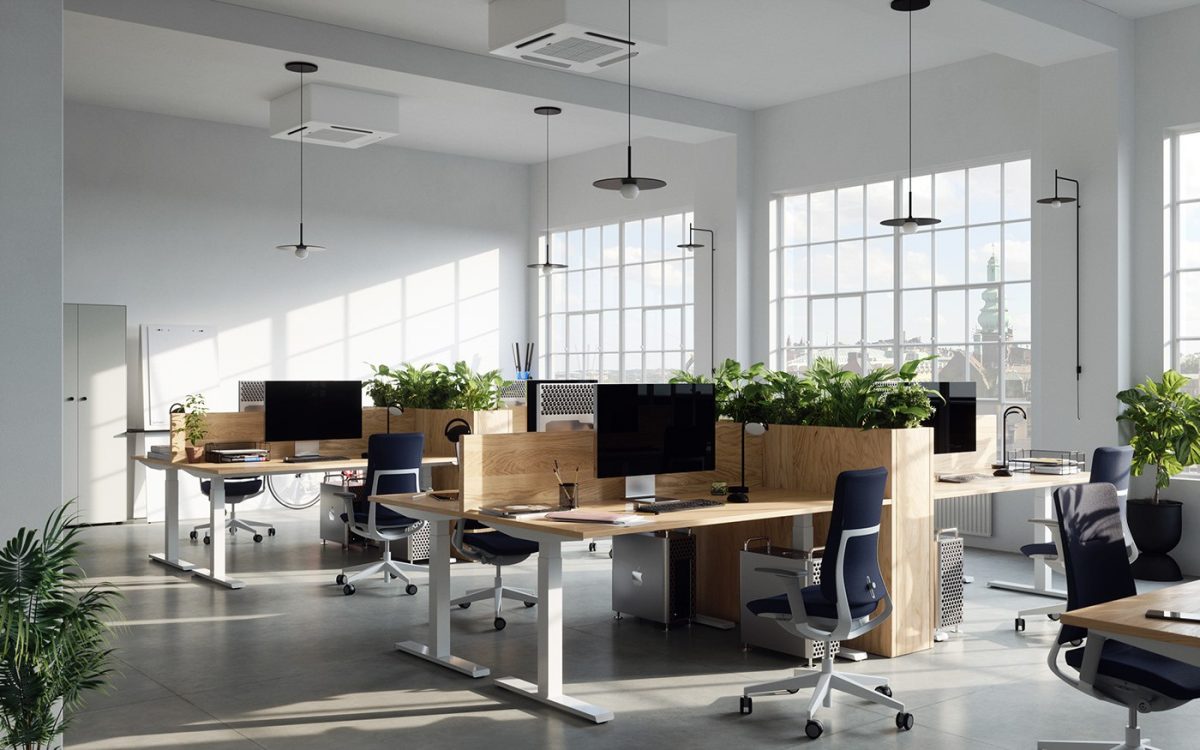
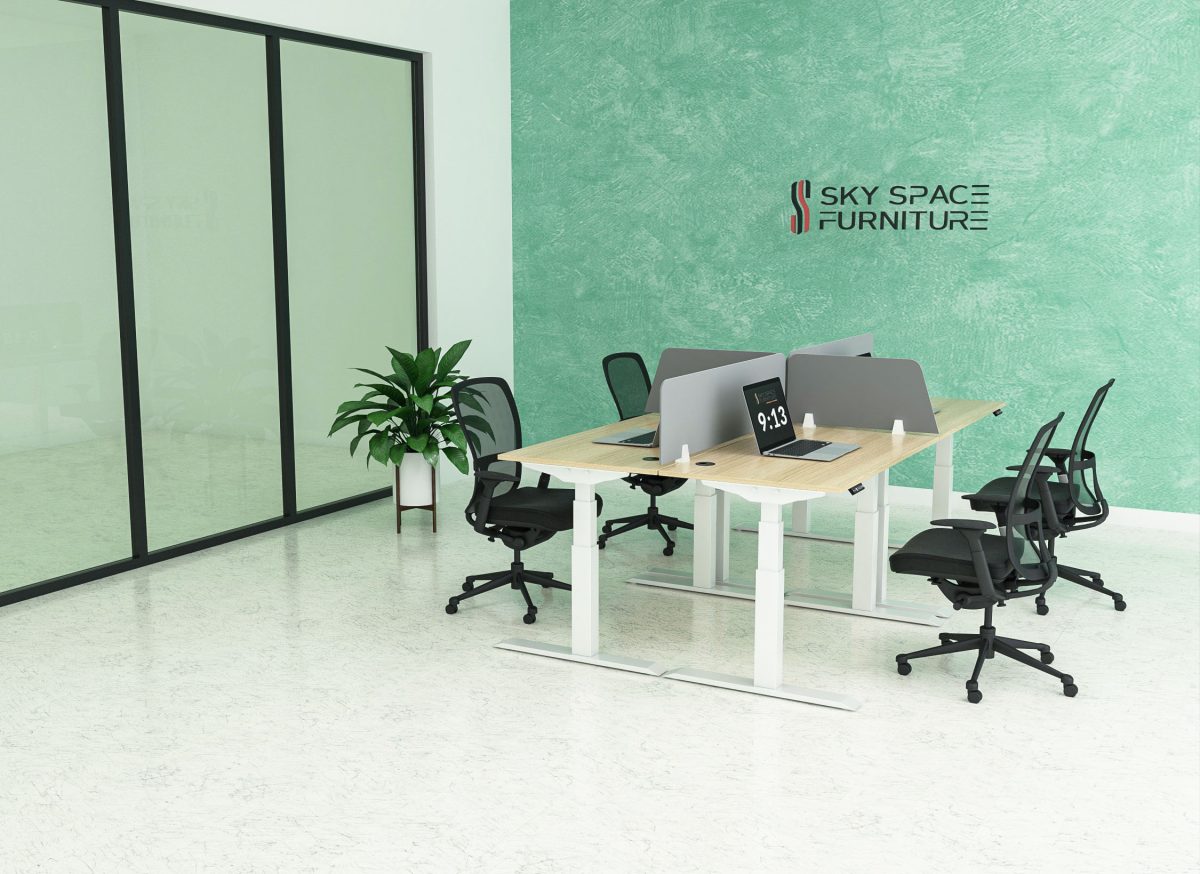
A great chair paired with a fixed-height desk only solves half the problem. Increasingly, offices pair ergonomic seating with height-adjustable desks, letting employees alternate between sitting and standing throughout the day. If your floor is open-plan, it’s also worth considering acoustic solutions like phone booths — noise fatigue is its own productivity drain, separate from posture.
A Practical Way to Roll This Out
For businesses upgrading gradually rather than all at once, a sensible order is:
- Replace seating for employees with the longest daily desk time first.
- Standardize on one or two ergonomic chair models across the floor, rather than a patchwork of styles — this simplifies procurement and future replacements.
- Pair new chairs with height-adjustable desks where budget allows, prioritizing teams with known back or posture complaints.
- Reassess after 3–6 months; sick-day and complaint data usually shows the impact quickly.
If you’re planning a seating upgrade or a full office fit-out in Dubai, Sky Space Furniture manufactures its full range of chairs in-house at its own factory, which helps with both consistent quality and turnaround time on larger bulk orders. Every chair comes with a 2-year warranty, and their team offers a free interior design consultation if you’re weighing seating choices against a broader layout. Browse the full office furniture blog for more guides, or reach out directly to talk through your specific floor.
A chair is one of the few office purchases where spending slightly more upfront reliably pays for itself — in fewer sick days, better focus, and a workforce that isn’t quietly uncomfortable eight hours a day.